
- Lots 2-7, 17 Bowen Bridge Rd, Bowen Hills 4006
- | Parking Available
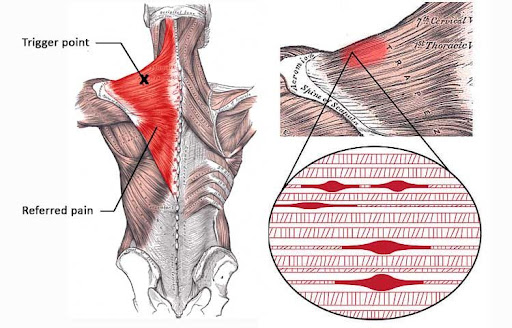
Dry needling is a modern needling technique based on the ancient Chinese art of acupuncture. The treatment is aimed at myofascial trigger points which are hyperirritable spots in skeletal muscle that are associated with high levels of tension and sensitivity. Trigger point dry needling can be carried out at a superficial or deep tissue level, leading to relaxation of the local tissue, release of central and satellite trigger points, global pain relief and systemic relaxation of the sympathetic nervous system.
Acupuncture: Longstanding form of traditional medical treatment that’s been used for hundreds of years that originated in traditional Chinese medicine. Traditionally, the fundamental belief of acupuncture is that illness is the result of blocked or interrupted qi (energy flow) which is believed to help your body heal itself and Acupuncture seeks to remove these blockages to return your body’s normal energy flow.
Western/Medical Acupuncture: Newer form of acupuncture that utilises traditional meridian points but applies Western medicine’s understanding of particular neurophysiology and anatomy related to the individual’s condition. It does not use Eastern Medical assessments or ideologies.
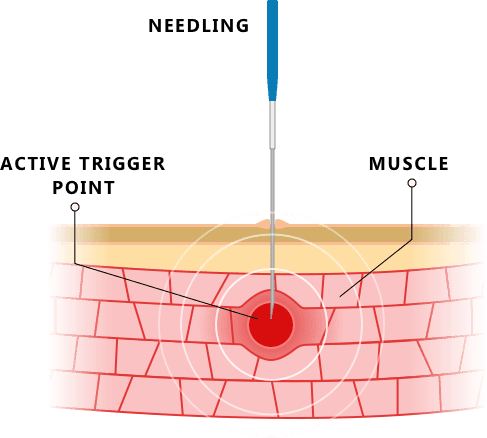
Dry Needling: A modernised approach connected to the ideals of Western acupuncture in which needles are inserted into the altered or dysfunctional tissue to help restore function. This is primarily focusing around soft tissues, trigger points within target muscles and even tissues surrounding bone. Dry needling is usually used in conjunction with other treatment methods as part of an overall treatment process that addresses the cause of the dysfunction in the first place.
Research has demonstrated that when used within a holistic management plan, individuals suffering from acute pain episodes all the way to chronic pain conditions can benefit from dry needling treatment. Some common examples that research has supported include:
Chronic Pain & Osteoarthritis
Headaches (cervicogenic and tension)
Lower back + SIJ pain
Piriformis syndrome & sciatica related pain
Knee & Hip pain
Rotator cuff tendinopathies & Frozen shoulder
Plantar fasciitis (fasciopathy) and other foot conditions
Like many other forms of treatment, dry needling does have an associated risk surrounding it. However when completed by a trained and qualified therapist it is an effective and safe treatment technique. Therapists are required to complete extensive online and practical hours as well as demonstrating continued professional learning to maintain their qualification. On top of this, infection control is paramount; ensuring that the target area and therapist have adequately sterilised and prepped the area before a sterile single use needle is used. Appropriate disposal techniques are used to ensure that both patient and therapies remain safe throughout treatment. If you don’t feel safe or have any concerns at any time throughout treatment please don’t hesitate to voice this with your therapist.
Initially the idea of having needles inserted into a tender area doesn’t seem very pleasant, however like most things, often what we expect is much worse than the actual experience. Firstly the needles used during dry needling are incredibly small (diameter 0.22-0.30mm, compared to conventional needles at a doctor, which are 0.50-0.70mm in diameter) so most of the time you will hardly feel a thing. There may be a momentary slight discomfort upon insertion, but after that it is mostly painless. When a therapist does insert a needle into a trigger point in a tight muscle, you may feel a sudden “twitch” or “cramp” sensation that will quickly dissipate – depending on how active the muscle is there may be a few twitches. In the rare chance that a nerve is hit, then you may feel a short tingling sensation, at which point the needle is removed. Alternatively if a blood vessel is hit,you may feel a “pulsing” sensation, at which point again the needle is removed. The needles themselves will not do any significant damage to any of these structures in these rare circumstances, so don’t stress.
At the end of your treatment session your therapist may advise you to do the following actions:
May apply mild pressure after the needle is removed to mimimise risk of bruise or post-treatment soreness, if bruising does develop then ice is appropriate
Heat may be applied post treatment to help with any soreness
Gentle range of motion exercise, muscle contractions and stretching is encouraged post needling
Post needling soreness may last for 1-3 days post treatment
One standard alcoholic beverage can decrease the potential post needling soreness
Dry needling is an incredibly effective and safe practice that has a myriad of benefits for numerous health conditions. If you have any enquiries or want to ask our clinicians at C2M any questions, please don’t hesitate to reach out and we can discuss these further.