

The benefits of resistance training are well documented in sports settings. Owing to extensive research on exercise benefits, this form of training not only aids individuals with chronic diseases and disabilities but also serves as a tool for injury prevention and musculoskeletal rehabilitation. It is commonly used in allied health settings and prescribed by physiotherapists and exercise physiologists in a clinic or hospital environment.
What is resistance training?
In simple terms, resistance training is making muscles work against a weight or force to increase muscle strength, and is considered a form of anaerobic exercise. Bodyweight, free weights, resistance bands, machines and plyometrics are common forms of resistance training. Ideally an individual should perform this type of training two to three times per week to really attain the benefits. As with any form of exercise, it is important to complete a pre-participation health screening with your exercise physiologist, physiotherapist or doctor prior to starting a new fitness program. Individualised programs with specific goals, starting points, and progressions will provide the best results.

Benefits of resistance training
Resistance training can increase your muscle mass and bone mineral density, boost metabolic rate and assist in weight management, reduce risk of injuries, improve insulin sensitivity and may improve balance and walking capacity. It also has numerous mental health benefits; reducing anxiety and depressive symptoms, and improving cognitive function and feelings of well-being. Let’s delve deeper into how resistance training can help prevent injuries and also assist in management of chronic conditions.
Resistance training for injury prevention
How does resistance training help to prevent an injury? Resistance training has effects on bone, muscles and connective tissue, when loaded correctly and consistently. Bone is constantly remodeling, and adapts to the physical stresses placed on it. Individuals who are active generally have a higher bone mineral density than people who are sedentary. Physically active people are at a lower risk of osteoporosis, fracture and other ailments related to bone deterioration. Connective tissue provides the support or framework for the body and when increases in muscle mass are made, the connective tissue also increases in size and strength.
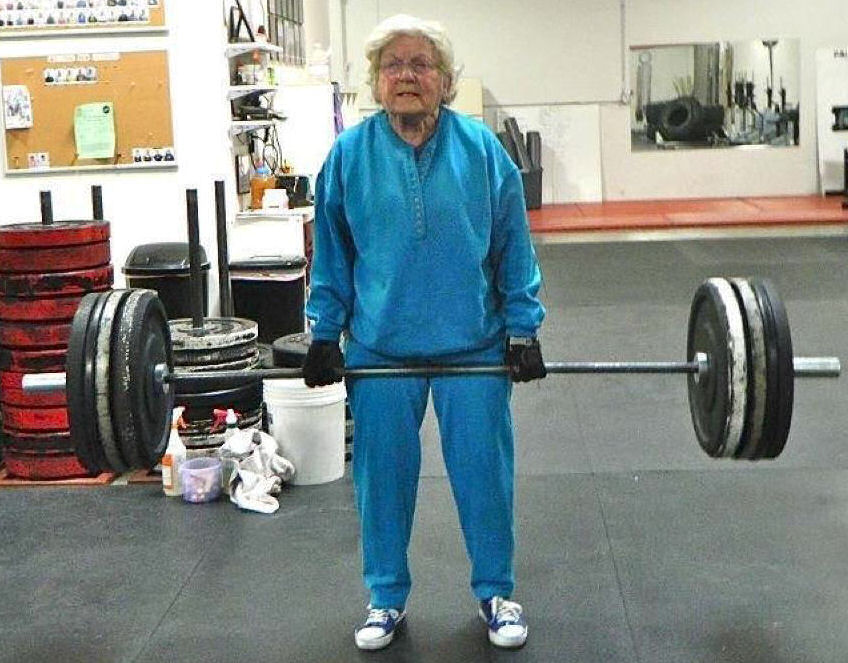
Everyone knows that resistance training can increase your muscular size and strength, however it can reduce injuries in the younger population; reducing musculoskeletal injuries related to muscle imbalances and reducing the incidence of lower back injuries. For the older population, resistance training can help maintain functional ability and reduce the risk of falls and fractures. Regardless of your age, you will probably benefit from incorporating some resistance training into your exercise regime.
Resistance training for chronic diseases
Allied health professionals including physiotherapists, exercise physiologists and occupational therapists utilise resistance training for clients with chronic diseases. Some of these conditions that have research supporting the benefits of resistance training include, heart disease, diabetes, stroke, certain types of cancer, COPD, diabetes and neurological conditions including Parkinsons’, multiple sclerosis and muscular dystrophy. The guidelines are slightly different than the general population, and it’s best to have the expertise of a health professional so you can exercise safely and have individualised treatment to reach your goals.
The benefits of resistance training can be life changing! Don’t be nervous, see your allied health professional today to see how it can benefit you.
References
Aristizábal C, Ortiz O, Walsh EJ, Leone M, Comtois AS (2021) Benefits of Concurrent Aerobic-Resistance Interval Exercise in Patients with Chronic Obstructive Pulmonary Disease. Int J Sports Exerc Med 7:209. doi.org/10.23937/2469-5718/1510209
Beato, M., Maroto-Izquierdo, S., Turner, A. N., & Bishop, C. (2021). Implementing Strength Training Strategies for Injury Prevention in Soccer: Scientific Rationale and Methodological Recommendations. International Journal of Sports Physiology and Performance, 16(3), 456-461. Retrieved Aug 14, 2023, from https://doi.org/10.1123/ijspp.2020-0862
Drury B, Clarke H, Moran J, Fernandes JFT, Henry G, Behm DG. Eccentric Resistance Training in Youth: A Survey of Perceptions and Current Practices by Strength and Conditioning Coaches. Journal of Functional Morphology and Kinesiology. 2021; 6(1):21. https://doi.org/10.3390/jfmk6010021
McLeod, J. C., Stokes, T., & Phillips, S. M. (2019). Resistance Exercise Training as a Primary Countermeasure to Age-Related Chronic Disease. Frontiers in Physiology, 10(645). https://dx.doi.org/10.3389/fphys.2019.00645
Rodrigues RN, Carballeira E, Silva F, Caldo-Silva A, Abreu C, Furtado GE, Teixeira AM. The Effect of a Resistance Training, Detraining and Retraining Cycle on Postural Stability and Estimated Fall Risk in Institutionalized Older Persons: A 40-Week Intervention. Healthcare. 2022; 10(5):776. https://doi.org/10.3390/healthcare10050776
Rodrigues F, Domingos C, Monteiro D, Morouço P. A Review on Aging, Sarcopenia, Falls, and Resistance Training in Community-Dwelling Older Adults. International Journal of Environmental Research and Public Health. 2022; 19(2):874. https://doi.org/10.3390/ijerph19020874